

Training Tomorrow
As artificial intelligence enters the recording studio, the music industry's greatest challenge may not be technological but ethical.

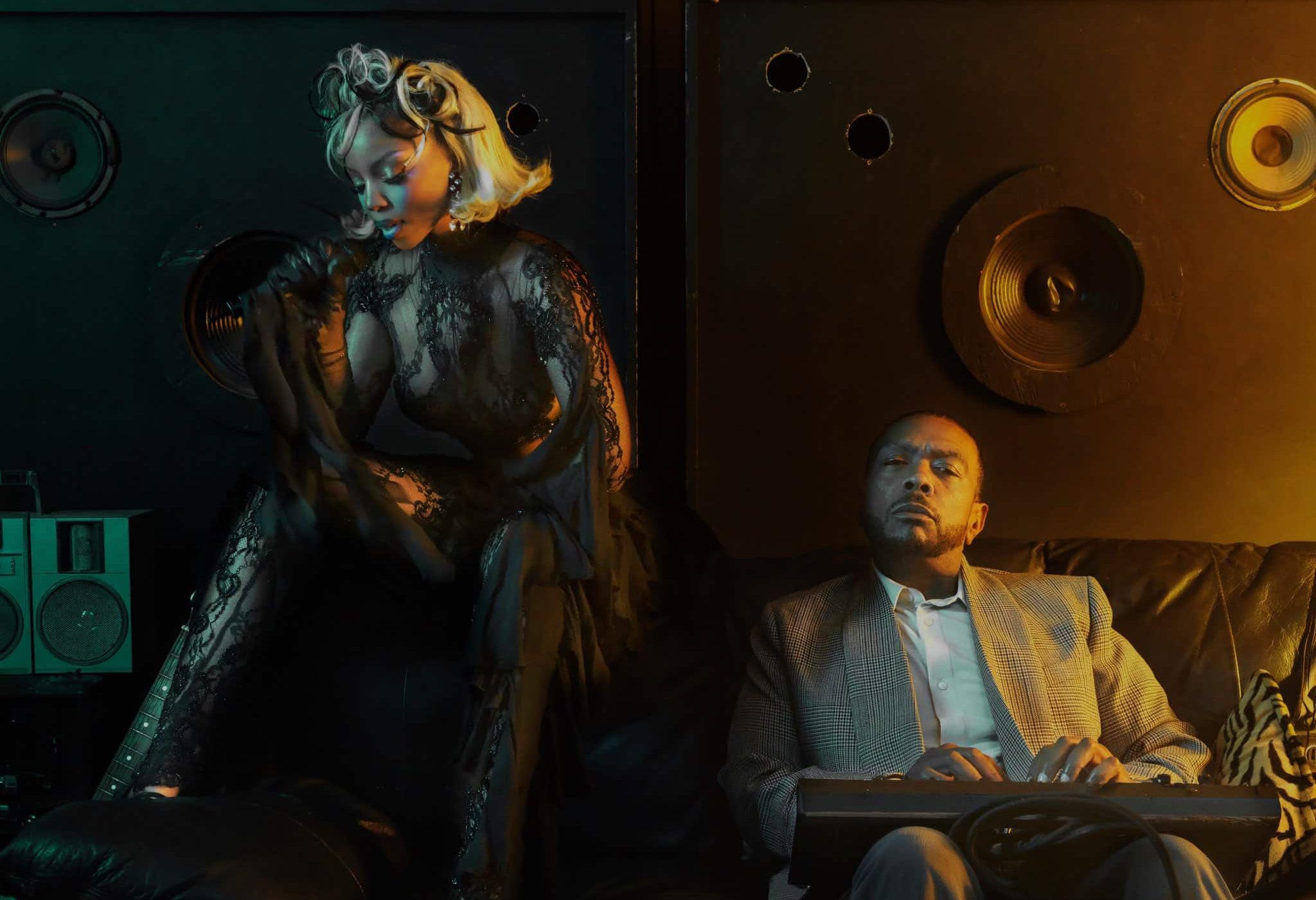
How does a young artist find her identity in the age of artificial intelligence?
It is a question that looms over an industry chasing efficiency as aggressively as it once chased originality. For emerging artists, the challenge is no longer simply finding a unique voice. It is proving that voice has value in a marketplace increasingly captivated by machines capable of mimicking creativity.
Few artists embody that tension quite like Chloe Bailey.
There has never been much debate about her talent. Blessed with extraordinary vocal ability, musicality, and stage presence, Bailey has spent the better part of the last several years searching for the artistic identity that transforms gifted performers into enduring stars. That search makes mentorship invaluable—particularly from someone whose fingerprints are all over modern music.
For more than three decades, Timbaland has repeatedly altered the course of popular music. His futuristic production helped redefine hip-hop and R&B, while his willingness to experiment pushed an entire generation of artists into new creative territory. Few producers possess his track record of identifying untapped possibilities, which is why his enthusiastic embrace of artificial intelligence has been met with equal parts fascination and disappointment.
On its face, a collaboration between Timbaland and Bailey appears to be exactly what a young artist should want: guidance from one of music’s most influential architects. Yet the moment also raises uncomfortable questions about where mentorship ends and technological exploitation begins. If artificial intelligence is trained on the instincts, performances, and creative decisions of working artists, what ethical responsibility do producers have to ensure they are cultivating careers rather than contributing to systems that could one day compete with those very artists?
These questions extend well beyond Chloe Bailey. Every aspiring musician now enters an industry where artificial intelligence promises to make creation faster, cheaper, and more scalable. The concern is not that technology exists. Music has always evolved alongside innovation. The concern is whether the next generation will be asked to help perfect tools that ultimately diminish the value of the very artistry they are still trying to establish.
Beyond whether Timbaland and Bailey’s mixtape delivers a collection of memorable songs, it may represent something far more consequential: an early blueprint for how human creativity and artificial intelligence will coexist. The choices today’s executives make will reveal whether AI becomes another instrument that empowers artists or another mechanism that renders them increasingly replaceable.
This Week in History
July 4, 1881: Tuskegee University is established

Tuskegee University opened its doors in Tuskegee, Alabama as the Tuskegee Normal School for Colored Teachers. Founded under the leadership of Booker T. Washington, the institution grew from a single classroom into one of the nation’s most influential historically Black colleges and universities.
Tuskegee has produced generations of educators, scientists, military leaders, entrepreneurs, and public servants. Its legacy includes groundbreaking agricultural research by George Washington Carver and the heroic service of the Tuskegee Airmen, whose achievements forever changed global history. More than 140 years later, Tuskegee remains a testament to the transformative power of education and institution-building within Black America.
July 6, 1931: Della Reese is born
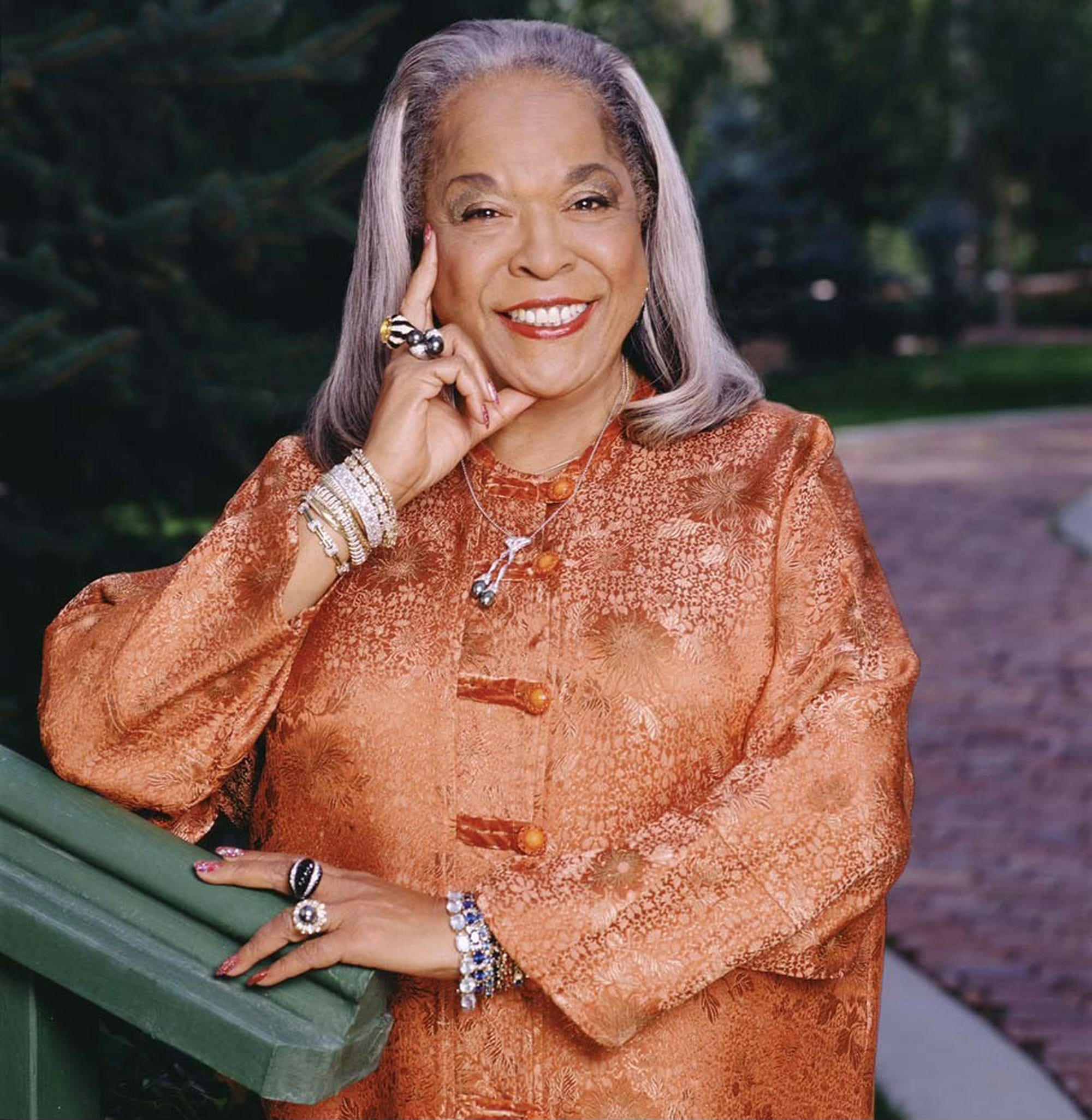
Della Reese built one of the most versatile careers in American entertainment. She first rose to prominence as a jazz and gospel vocalist, earning acclaim with timeless recordings such as “Don’t You Know?” before seamlessly transitioning into television and film. A gifted actress and ordained minister, Reese became a beloved household name through her role as Tess on the long-running television series Touched by an Angel.
Living Legend
July 1, 1961: Carl Lewis is 65
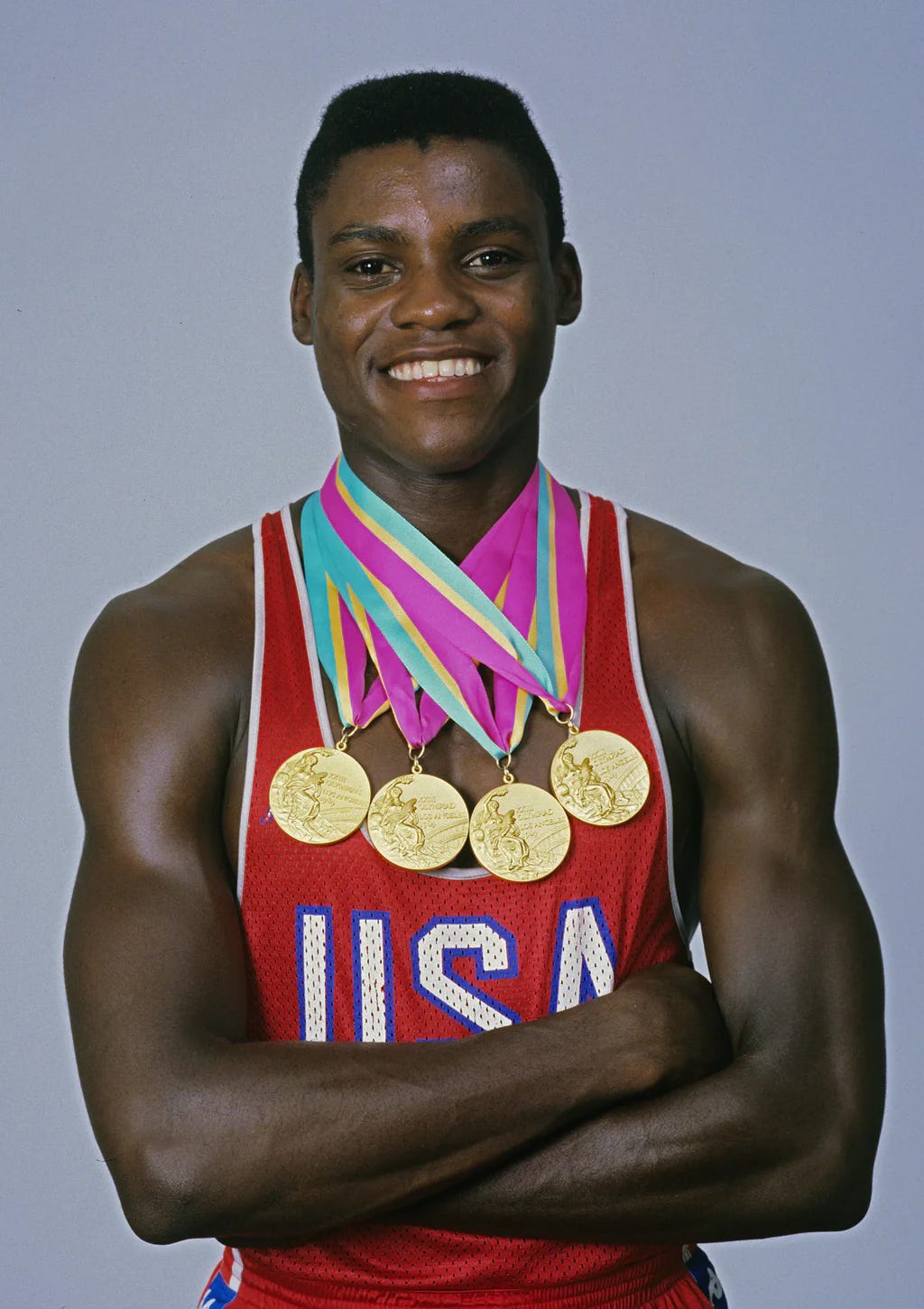
Few athletes have embodied sustained excellence like Carl Lewis. Over a career spanning four Olympic Games, Lewis captured nine Olympic gold medals and one silver, establishing himself as one of the greatest track and field competitors in history. His dominance in the 100 meters, 200 meters, long jump, and relay events showcased a rare combination of speed, power, and consistency, highlighted by an unprecedented four consecutive Olympic long jump titles from 1984 to 1996.
Beyond the medals, Lewis helped elevate the global profile of track and field while inspiring generations of athletes to pursue greatness with discipline and confidence. His remarkable longevity and competitive excellence continue to define the standard for Olympic achievement.
Music Momentos
July 2, 1996: It Was Written by Nas turns 30
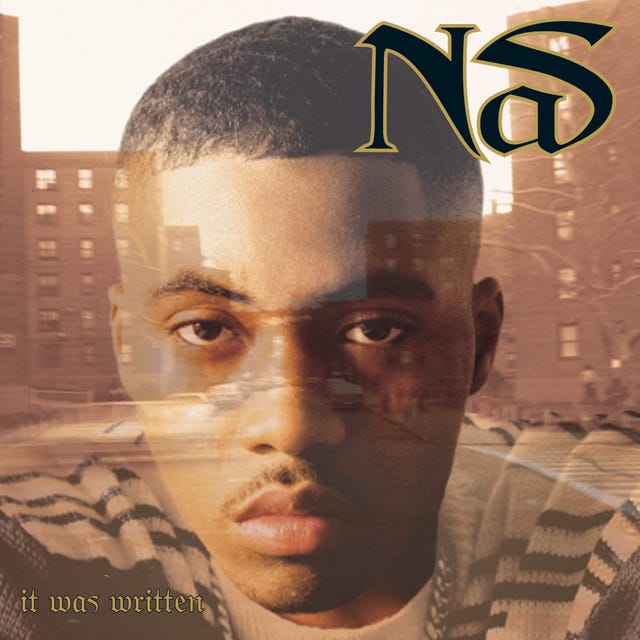
July 3, 1971: “Mr. Big Stuff” by Jean Knight reaches #1 on the Billboard Best Selling Soul Singles chart
What Has Us Hyped This Week
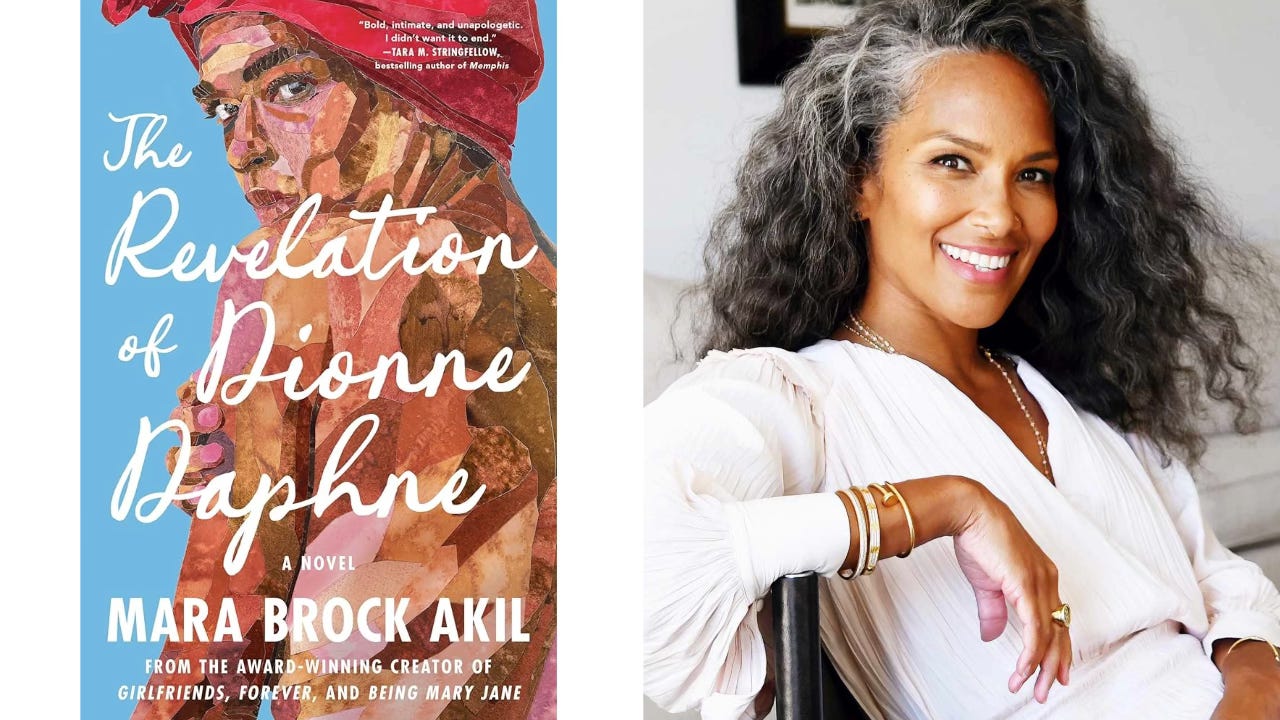
June 30: Mara Brock Akil releases debut novel The Revelation of Dionne Daphne
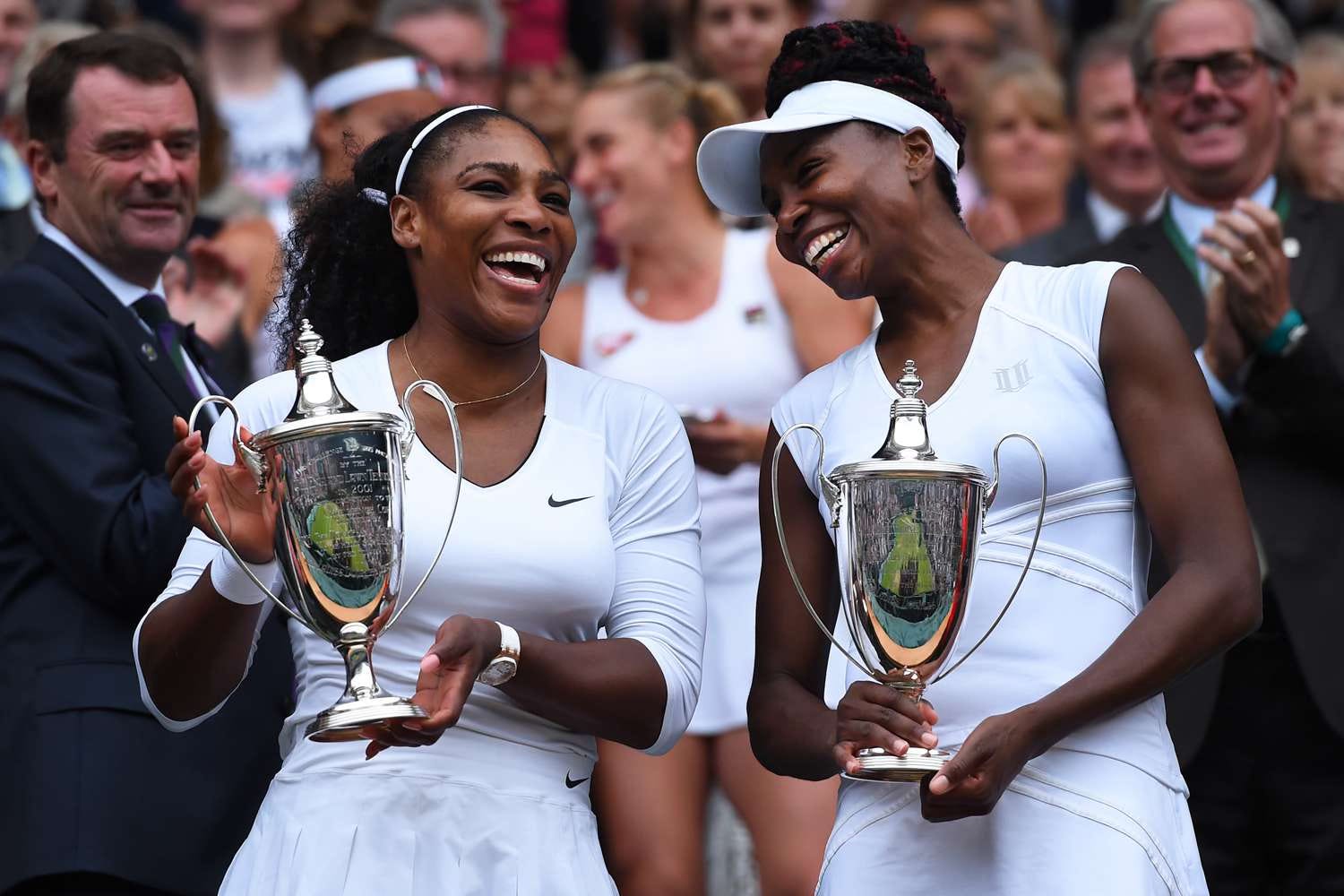
July 2: Venus and Serena Williams return to Wimbledon in women’s doubles match
Closing Thoughts
If you haven’t already, be sure to subscribe to our YouTube channel!
Be sure to check out our latest YouTube video where we do a deep dive into The Jacksons: An American Dream miniseries.
See you soon!