

The Missing Machine
Coco Jones' career raises a bigger question: Who is still building Black stars?

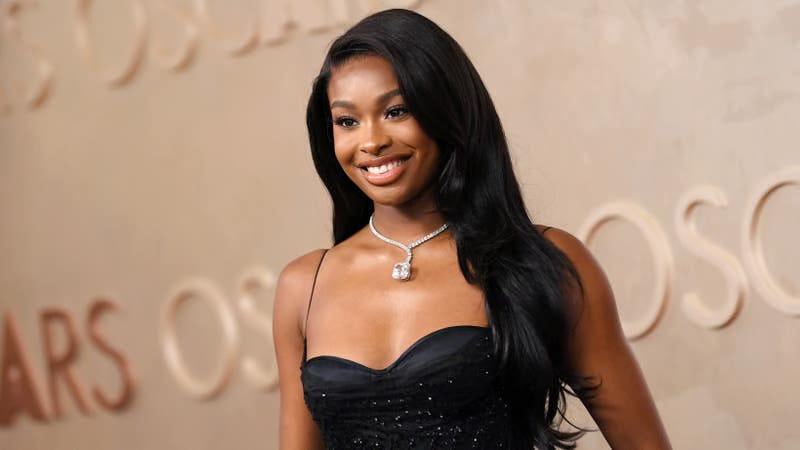
Coco Jones has been candid about the frustrations surrounding her music career. While she has enjoyed critical acclaim, television success and flashes of commercial momentum, the defining breakthrough still feels just beyond her reach.
That disconnect raises an uncomfortable question: if an artist with Coco’s vocal ability, charisma and versatility is still searching for her footing, what does that say about the modern music industry?
Perhaps the answer has less to do with Coco herself than with what today’s artists are expected to do. She has the talent, but talent has never been the only ingredient required to build a star. The greatest artists rarely developed in isolation. They were refined by institutions that challenged their instincts, sharpened their image and gave their careers a coherent direction.
From Motown and Philadelphia International to the early days of LaFace Records, Black-owned labels didn’t simply sign artists—they curated them. They helped define an artist’s sound, visual identity and place within the culture. Today’s artists are often expected to fill those roles themselves while simultaneously writing, recording, promoting and feeding the algorithm.
Every artist will not naturally possess the instincts of a creative director, brand strategist and cultural historian. Nor should they have to. Even the legends learned under someone before becoming architects in their own right. More than ever, artists don’t simply need bigger teams. They need institutions willing to develop them before asking them to develop a market.
We often lament the disappearance of Black-owned record labels in terms of ownership and economics. Equally important, however, is what disappeared with them: an ecosystem that could recognize raw talent, shape it into cultural identity and patiently build careers that lasted decades rather than album cycles.
This Week in History
July 19, 1996: 1996 Summer Olympics begins
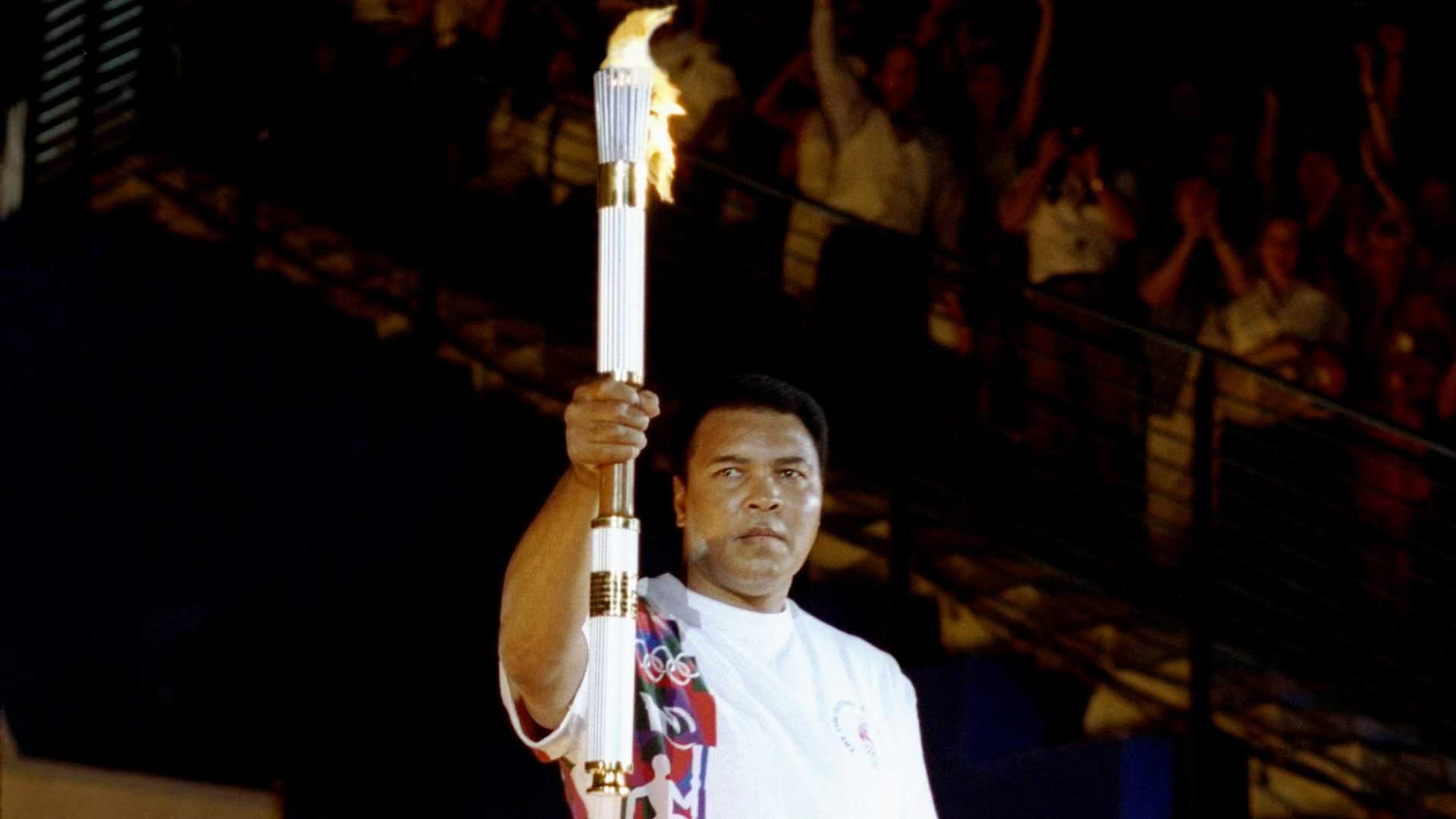
When the Summer Olympics opened in Atlanta, they marked a defining moment for the modern South. The Games introduced millions around the world to a city that styled itself as the capital of the “New South,” while showcasing Atlanta’s emergence as a global center for business, culture and Black political leadership. The Olympics accelerated investments in infrastructure, transportation and downtown redevelopment, and Centennial Olympic Park remains one of the city’s enduring legacies. At the same time, the Games sparked lasting debates over displacement, public housing and the treatment of unhoused residents, illustrating how major civic milestones can produce both transformative opportunities and difficult social consequences. Three decades later, Atlanta’s Olympic legacy remains a study in both ambition and accountability.
Music Momentos
July 18, 1981: “Double Dutch Bus” by Frankie Smith reaches #1 on the Billboard Hot Soul Singles chart
July 19, 1986: “Rumors” by Timex Social Club reaches #1 on the Billboard Hot Black Singles chart
What Has Us Hyped This Week
July 14: Quarterback season three premieres on Netflix
We are on the look out for the Washington Commanders’ Jayden Daniels and the Tennessee Titans’ Cam Ward.
July 15: Ride or Die series premiere on Prime Video
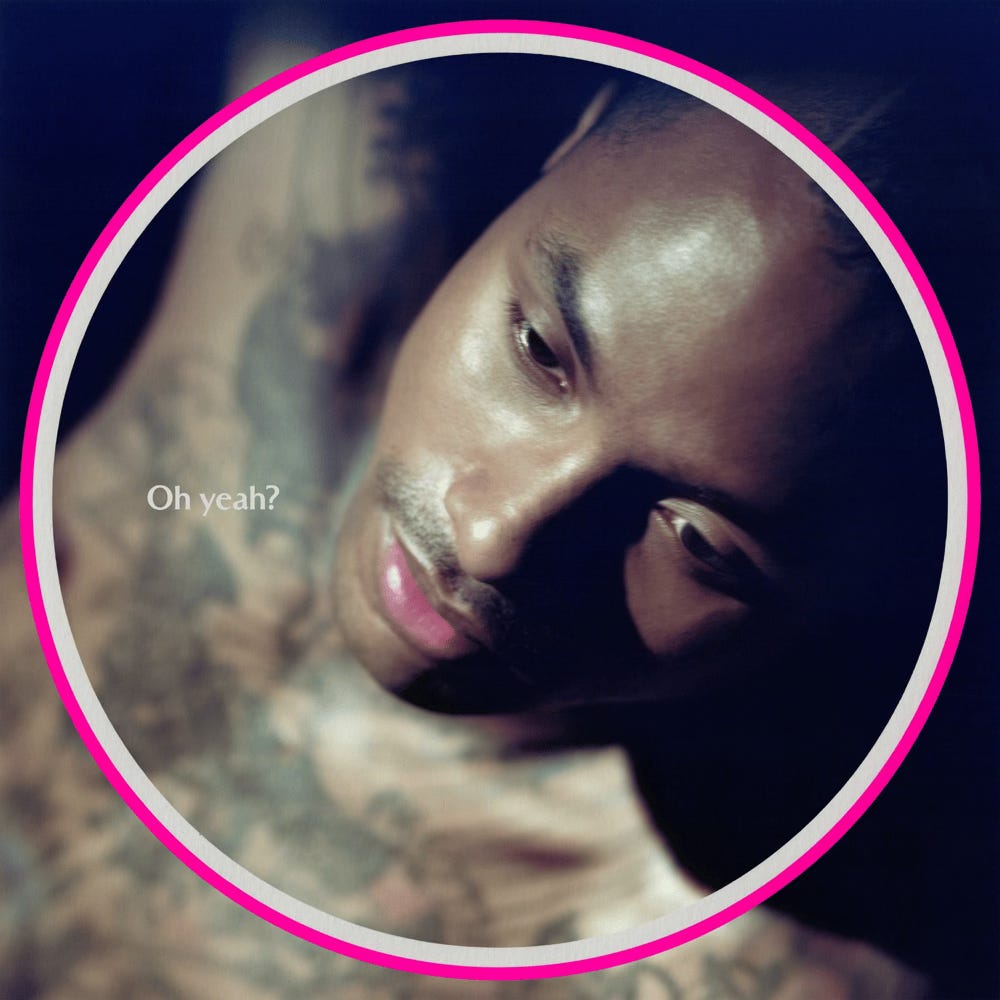
July 17: Steve Lacy releases third studio album Oh Yeah?
Closing Thoughts
If you haven’t already, be sure to subscribe to our YouTube channel!
With ongoing discussions about the state of Black-owned media, be sure to check out our deep dive on the rise and fall of Soul Train.
See you soon!