

Got 'til It's Gone
On preservation, power, and cultural memory

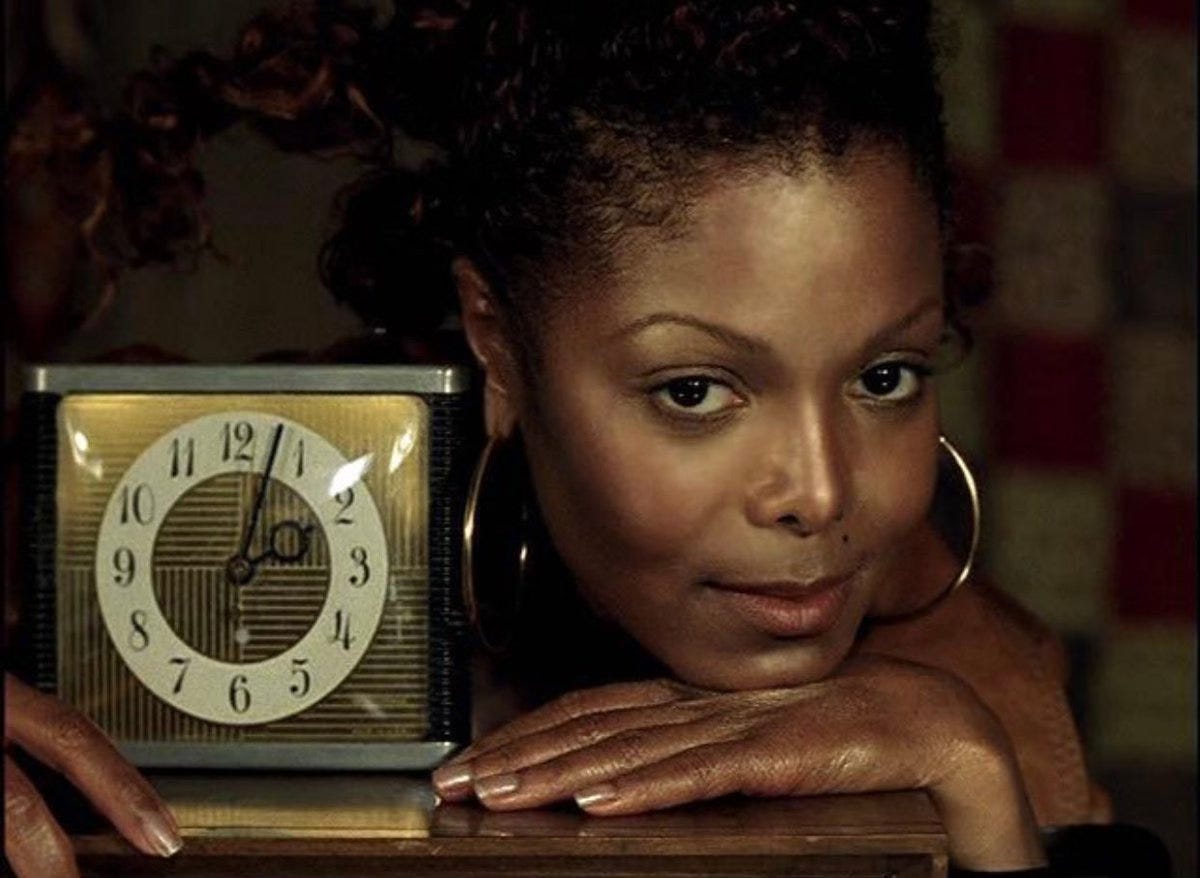
This week, Black Americana celebrates the 60th birthday of Janet Jackson — an artist whose influence on modern music, dance, fashion, and visual storytelling is nearly impossible to overstate. Born on May 16, 1966, Jackson spent decades redefining what it meant to be a Black woman in pop culture: disciplined yet vulnerable, glamorous yet socially conscious, polished yet unmistakably human.
Through landmark albums like Control, Rhythm Nation 1814, and The Velvet Rope, she built a blueprint that countless artists still follow today. Long before “eras” became standard industry language, Janet mastered reinvention — balancing commercial dominance with artistic experimentation while centering themes of self-determination, intimacy, mental health, politics, and Black cultural expression.
Her impact stretches far beyond music. From choreography and stage production to music video aesthetics and performance precision, Jackson helped shape the modern language of pop stardom itself. Entire generations of performers have borrowed from a template she helped create.
As she enters her sixth decade, Janet Jackson remains more than an icon. She is part of the cultural architecture of Black American culture: a reminder that elegance, innovation, vulnerability, and control can coexist in one singular artist.
This Week in History
May 12, 1926: Nathaniel R. Jones is born
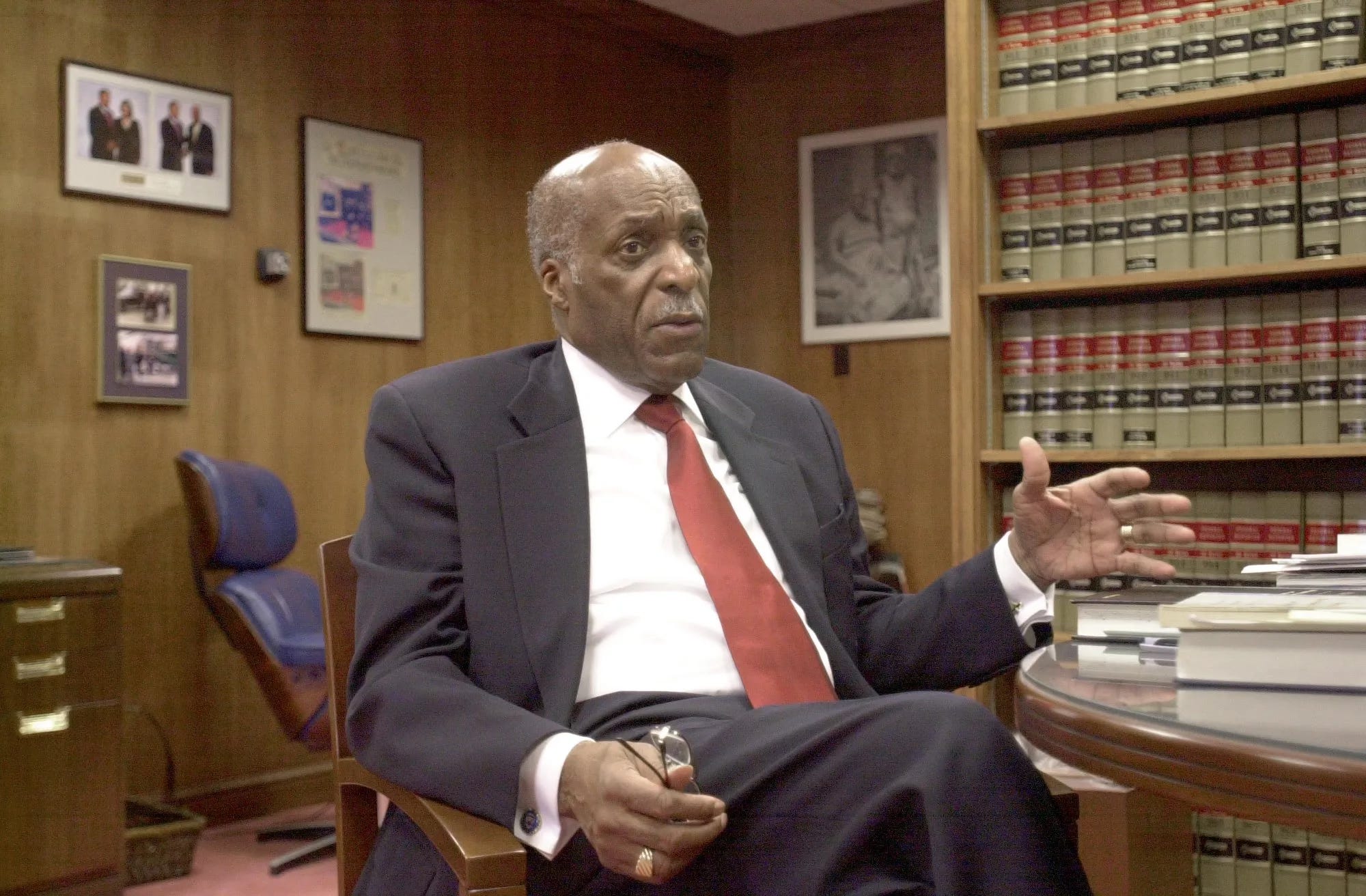
Jones became one of the most consequential legal minds of the Civil Rights Movement. A close associate of Thurgood Marshall, Jones served as general counsel for the NAACP and played a critical role in dismantling segregation across the South. He later became the first Black judge appointed to the U.S. Court of Appeals for the Sixth Circuit.
May 13, 1866: Matilda Evans is born
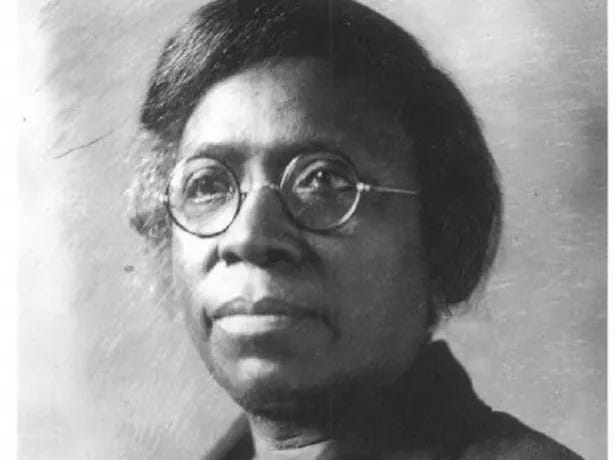
Evans became the first Black woman licensed to practice medicine in South Carolina. At a time when Black Americans faced severe barriers to healthcare access, Evans built clinics, trained nurses, and founded hospitals dedicated to serving Black communities in the Jim Crow South. She also launched public health campaigns focused on children’s wellness and disease prevention, understanding early on that healthcare was deeply tied to dignity.
May 13, 1966: Darius Rucker is born
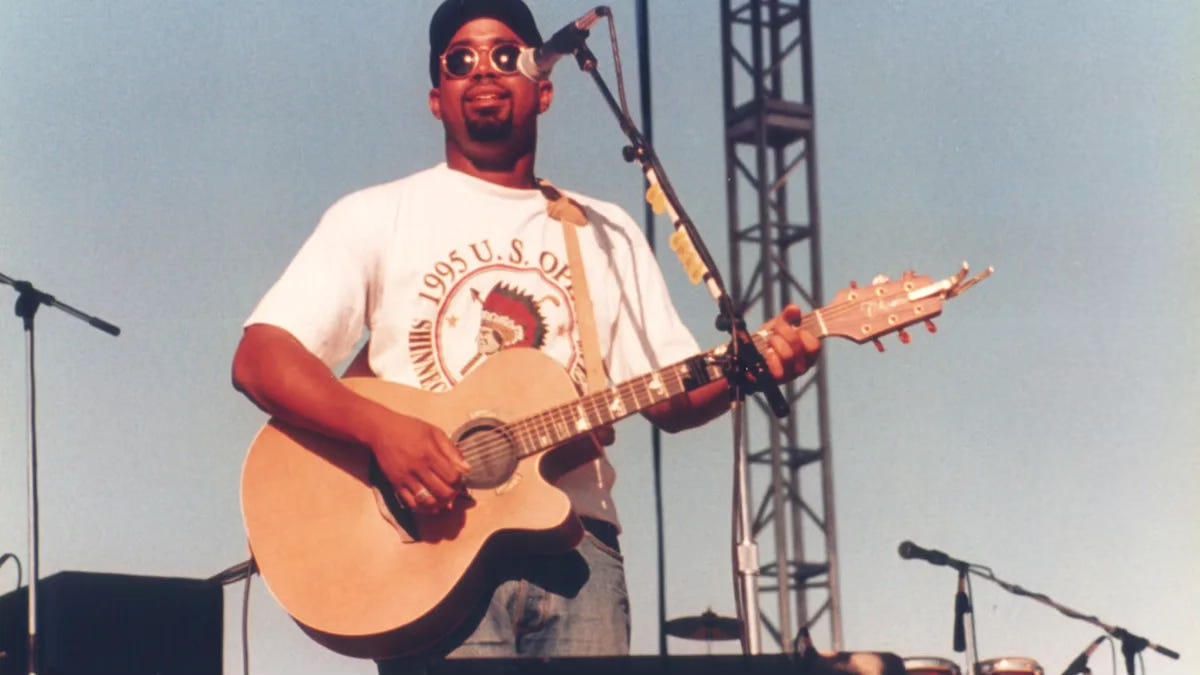
Rucker emerged as one of the most recognizable voices in modern American music. As the frontman of Hootie & the Blowfish, Rucker helped define 1990s pop-rock before successfully transitioning into country music — a genre where Black artists have historically faced exclusion despite their foundational influence. His crossover success challenged assumptions about who belongs in country music while opening doors for newer generations of Black country performers. Across genres, Rucker’s career reflects the fluidity and breadth of Black American musical tradition.
May 14, 1961: Anniston and Birmingham bus attacks
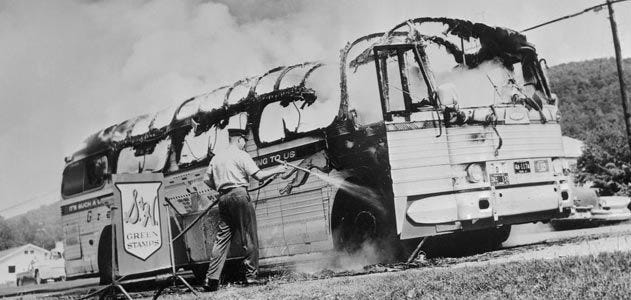
Freedom Riders traveling through Alabama were met with mob violence in both Anniston and Birmingham. On Mother’s Day in Anniston, a white mob firebombed a bus carrying interracial activists challenging segregation in interstate travel. Hours later in Birmingham, another group of riders endured brutal beatings while local law enforcement largely stood aside. The attacks shocked the nation and exposed the violent resistance to desegregation that still gripped the South years after Brown v. Board of Education. Rather than stopping the movement, the violence intensified national support for the Freedom Riders and increased pressure on the federal government to enforce civil rights protections.
May 14, 1966: Raphael Saadiq is born
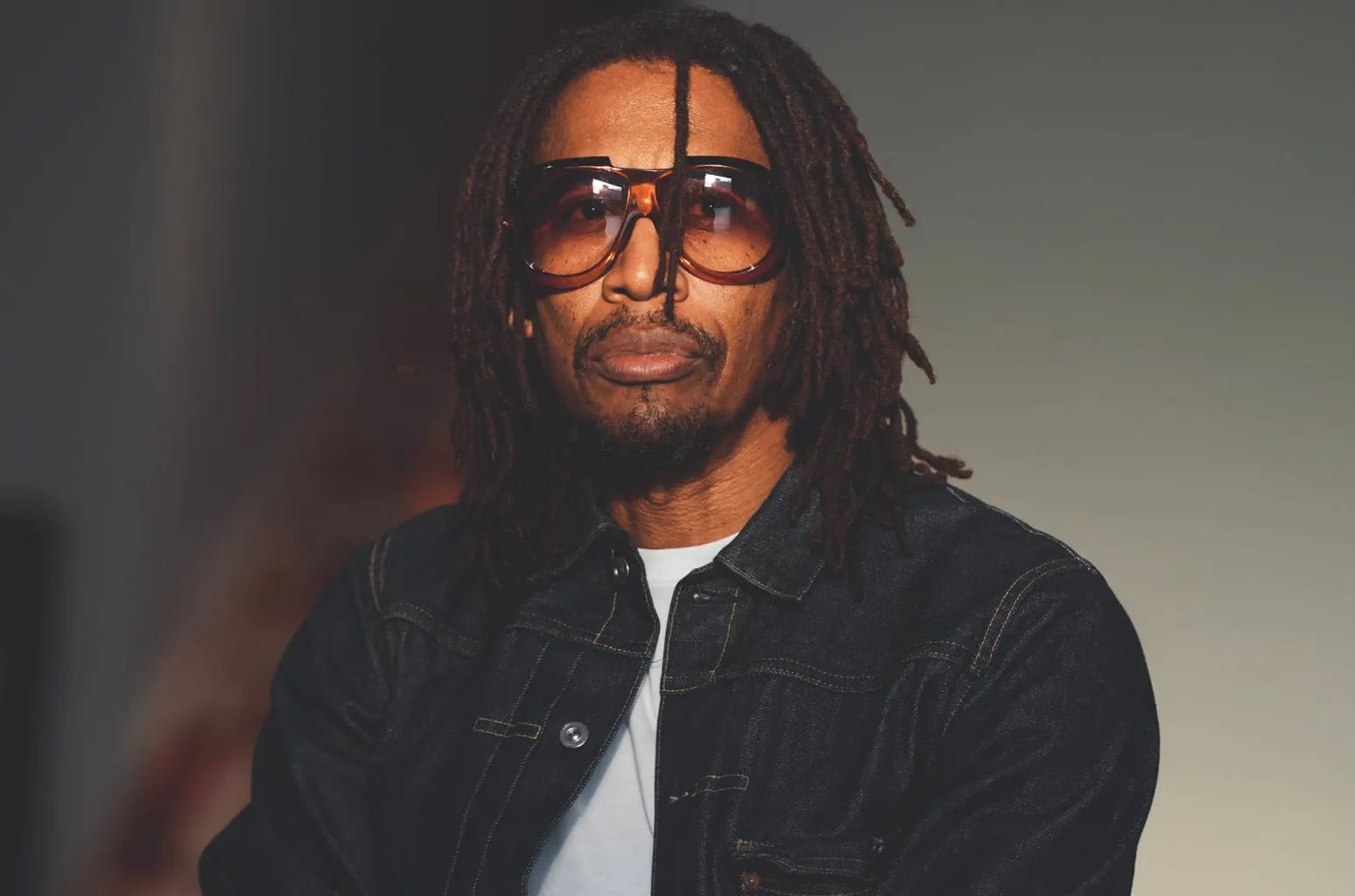
Saadiq is one of the most respected architects of modern R&B. From his work with Tony! Toni! Toné! to his production for artists like D’Angelo, Solange, and Mary J. Blige, Saadiq helped preserve the lineage between classic soul music and contemporary Black sound.
May 15, 1916: Lynching of Jesse Washington
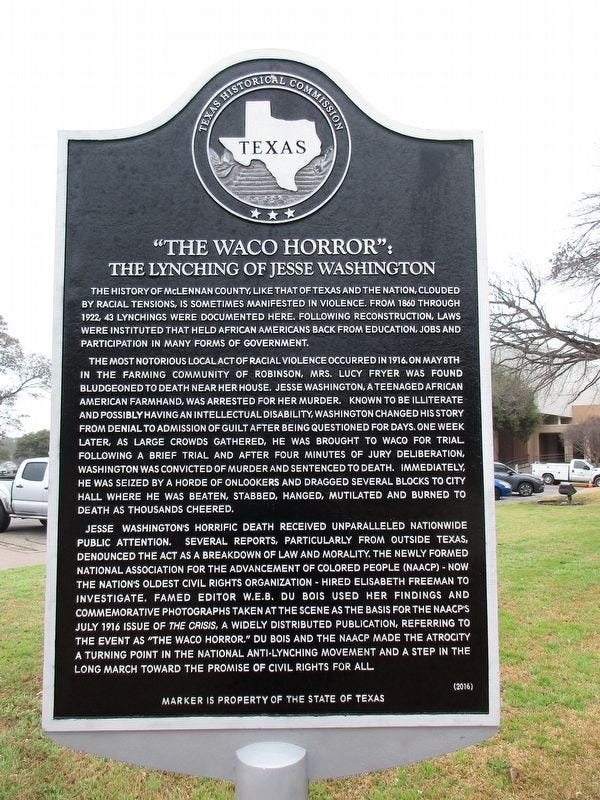
Seventeen year old Jesse Washington was lynched in Waco, Texas, in one of the most horrific acts of racial terror in American history. Before a crowd of thousands, Washington was tortured and murdered in broad daylight while local officials failed to intervene. Photographs of the lynching circulated nationally, forcing many Americans to confront the brutality of mob violence in the Jim Crow era. The case became a rallying point for anti-lynching activism led by organizations like the NAACP, which used the atrocity to push for federal protections against racial terror.
May 17, 1956: Sugar Ray Leonard is born
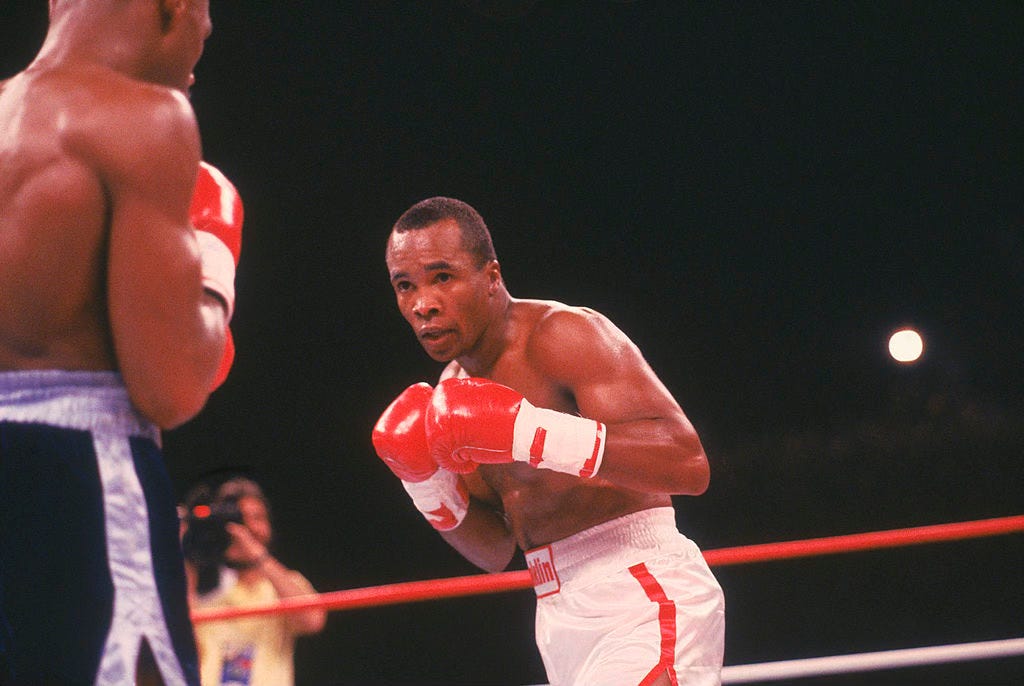
Leonard became one of boxing’s most charismatic and technically gifted champions. Emerging from the golden era of 1970s and 1980s boxing, Leonard combined speed, strategy, and showmanship in legendary bouts against fighters like Thomas Hearns, Roberto Durán, and Marvin Hagler. Beyond his championships, Leonard helped elevate boxing into a major television spectacle and became a symbol of discipline, polish, and crossover appeal during a transformative period in sports culture.
May 18, 1896: Plessy v. Ferguson is rendered
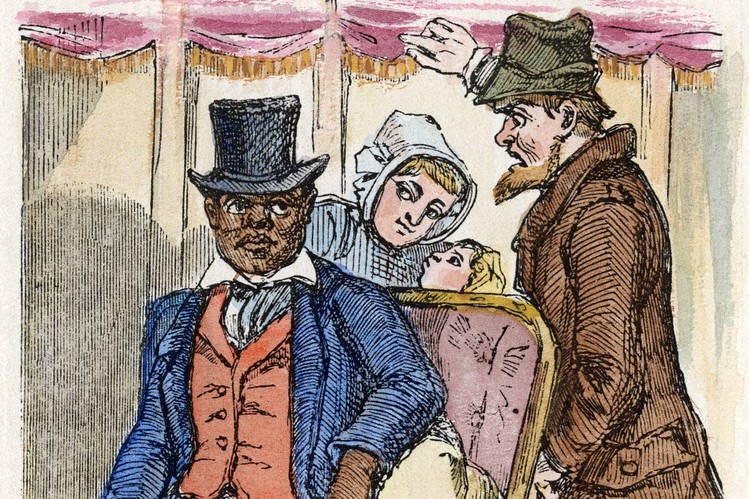
The U.S. Supreme Court issued its decision in Plessy v. Ferguson, formally establishing the “separate but equal” doctrine that legalized racial segregation across the United States. The ruling upheld a Louisiana law requiring segregated railway cars after Homer Plessy deliberately challenged the statute as part of an organized civil rights campaign. Though the decision gave constitutional cover to decades of Jim Crow segregation, it also helped galvanize future generations of Black activists, attorneys, and organizers who would spend the next half-century dismantling the legal architecture of segregation.
Music Momentos
May 15, 1976: “Boogie Fever” by the Sylvers reaches #1 on the Billboard Hot 100
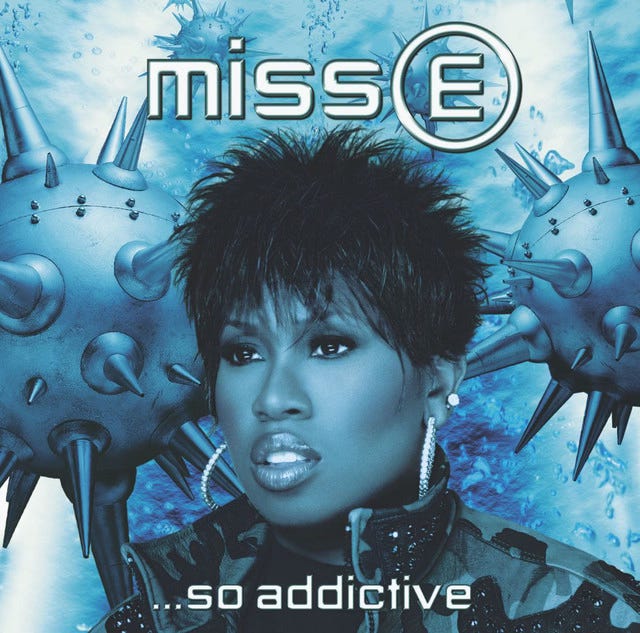
May 15, 2001: Miss E... So Addictive by Missy Elliott turns 25
May 16, 1981: “A Woman Needs Love (Just Like You Do)” by Ray Parker Jr. & Raydio reaches #1 on the Billboard Hot Soul Singles chart
May 17, 1986: “Greatest Love of All” by Whitney Houston reaches #1 on the Billboard Hot 100
May 18, 1991: “I Like the Way (The Kissing Game)” by Hi-Five reaches #1 on the Billboard Hot 100
May 18, 1995: “Tha Crossroads” by Bone Thugs-n-Harmony reaches #1 on the Billboard Hot 100
Closing Thoughts
If you haven’t already, be sure to subscribe to our YouTube channel!
In light of the Michael biopic, check out our retrospective of the bond shared between Michael Jackson and Diana Ross.
See you soon!
Always look forward to viewing your platform! ❤️🔥